Saturday, April 23, 2022

Les Trois Rois Hotel

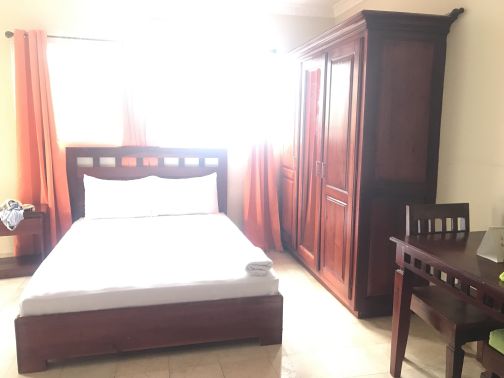
While I was away from Haiti for 2 years, a new hotel Les Trois Rois was built along the beach in Ducroix, between Cap Haitian and Labadee. I didn’t see a sign along the road, look on a web map to find the gate. The hotel is beautiful and felt like it was very old, in a good way, with stately wood accents. There is direct access to the beach, just steps away from the hotel pool. When the tide is high you can sit on the deck and enjoy the waves lapping below. There is both indoor and covered outdoor seating for meals. A group was having a meeting there, and another was celebrating a wedding.

The lunch and dinner menu is a variety of fish and meat and limited for vegetarians, but the standard bannann peze, pikliz, and vegetables are very good. The breakfast was super good! Coffee, fruit, soup joumou, and kasava which was suitable for my new gluten intolerance. Some of the rooms have balconies, all have AC and hot water and are roomy.

For my nature-exploring side it was limited due to the small area of the grounds and being right along the main road. There is a sort of tidal pool at the corner of the deck to watch crabs and aquatic isopods, and brown pelicans landed in the water nearby. From the 3rd floor balcony we saw a white-crowned pigeon and other birds in the treetops across the road. Go to the nearby Cormier Plage grounds for a meal, or along the road higher up to see more birds.


Wednesday, February 10, 2021

Haiti 2021 - still a hiatus!

My assistant continues my Bio101 class that was interrupted by the COVID shutdown.

I left Haiti in March 2020 when the Covid-19 pandemic caused the world to hunker down. But in fall 2020 I resumed teaching my Bio101 class via prerecorded videos from which my assistant taught. Knowing the students in the class helped maintain somewhat of a connection with them. We wrapped up that class then proceeded into the actual fall semester, beginning in Dec. 2020, with Bio102. Not even halfway through the semester, in Feb. 2021 more political upheaval in Haiti shut down the country and classes. So we all wait to see what happens next.

Update - The spring 2021 semester started in mid-April 2021. They are slowly catching up. May update - starting another round of Bio101 and Bio102!

A new set of Bio101 students exploring the outdoors in Apr. 2021.


Sunday, March 8, 2020

How to make a Haitian meal

 My friend Lydie showed me how to make beans and rice, onion sauce, legume (vegetables), and bannann peze (fried plantains).

Start beans in lots of water, with salt (I missed the bean preparation).

Clean rice (pick out rocks, blow out chaff) and rinse twice.

Put rice in cooking beans, turn up gas high to boil, when water evaporates stir and put on lid. Turn down heat and cook about 10 minutes, stir, turn down heat even more.

Meanwhile cook veggies in oil: lettuce leaves cut up, chayote cut in half and peeled (remove heart) peeled carrot chunks. Stir and cook about 5 minutes then add chopped onion, pepper, tomato, garlic, and some magi. Cover and cook. Add a little water later and stir.

While everything is cooking, peel and cut up plantains. Wash the pieces. Heat a lot of oil in frying pan, stand back and add plantain. Fry about 5 minutes until yellower then turn them and cook more. Turn some more and it gets yellower.

For onion sauce cut up tomato into a sauce pan then add some oil and cook. Add a tablespoon of butter or margarine, cook more, then add 2 cups of water and ‘a little’ (a spoonful) of rock salt. When sauce is almost done, add sliced onion.

Remove the plantains, fry cooked meat in the oil, then remove.

Meanwhile crush each plantain between two plates. Dip each piece in a bowl of salt water, then fry in the meat oil. Turn once and fry around 5 minutes.

Put everything on plates and bowls, garnish with tomato slices, and eat!

First frying of the plantains.

Onion sauce and squashed plantains frying.

The legume - vegetables


Friday, February 21, 2020

Citadelle 2020 Part 2 - The views

Here are some photos from the excursion to the Citadelle! It was overcast with low clouds at the Citadelle, but full sun at the Palace.


Palace San Souci, from the road above.

Tuesday, February 18, 2020

Citadelle 2020 part 1 - the road there and payment

Too many people trying to help!
On a Monday in February 2020 I took a visitor to the Citadelle! Rather my Haitian friend took us and helped us navigate not only the road there but payment. Let your Haitian friend take charge of all payments! (I didn’t and overpaid the horse guides). Here is what we did. Hope it saves others from confusion! And you need a really good truck with good motor and clutch to go up and down the mountain.

The drive: 7 hour round trip! Left UCNH in Haute-Limbe at 6:45a. Go earlier if you want to go birding. From Rt 1 we turned south onto the nice road through Akul, then went south through Bois Rouge and popped out on the main paved road that goes south to Milot. 8am arrive at the tourist payment building at Palace San Souci, after we picked up a guide who was standing on the street outside a nice gate/walled area. He had a badge and rode with us in the truck bed. FYI he spoke Creole, French, and Spanish, but very little English. My friend ended up translating. 9 am arrive at Citadelle parking lot. 9:40a arrive at Citadelle whether you rode a horse or walked. 10:30a left Citadelle. Noon back in truck at tourism building and left. We returned on the road that runs along the south edge of the Cap airport. 1pm arrive at Rt1 out of Cap. 2pm pull into UCNH.

At the tourism building: They give you the list of prices (see photo below). We only paid the entrance fee of 2300 gds for 2 foreigners and 3 Haitians. They couldn’t make change! The guide exchanged smaller bills with us. Supposedly you can pay for all services there and not be charged later in the main parking lot right below the Citadelle. At the tourism booth they charge $15US (1500 gds) for a horse (then you tip your 2 horse guides). But it’s cheaper to hire a horse on your own at the parking lot above. Which I didn’t know, and paid 2000 gds and told the 2 guides to split the extra 500. Didn’t know my friend had negotiated 1000 gds for a horse. At the end we gave the guide 3000gd. And I paid for gas and use of my friend’s truck.

Souvenir sellers: Be prepared for all the art and souvenir sellers in both parking lots. I put a predetermined amount of cash in my pocket, small US bills. And spent only that. They will ask $10US for a wood bowl. Then when you get in your car to leave, they will say you can have 2 bowls for $5US! I had to roll up the window and close the door, they are very assertive.

The horse ride up: Choose only horses that have the hibiscus logo branded into the horse. My vet friend trains the horse owners to care for the horses and gives the brand to those who passed. I took a horse (Tako) so I wouldn’t be so tired at the top, but it’s not a bad walk. Steep but smooth stones. The horse is too bumpy for bird watching and they didn’t stop much.


The building where you pay the entrance fee for Palace San Souci and Citadelle.


The hibiscus brand on horses managed by people who received training in horse care.


Tuesday, February 11, 2020

Belly Beach bird hike

Fort Belly

The real reason I wanted to stay overnight at Belly Beach was to go birding. Get up early and head up the stairs to a rocky road that sits above the bay. There are unique rock formations, a nice view of the bay, and a little fort my guide called Labadee Fort, and google maps labeled Fort Belly. There are typical birds – kingbirds, Antillean mangos, warblers. And also white-crowned pigeons which I have only seen once in Haiti, in the south.
Lichen

Walk up the stairs from the hotel

Rocky road

Spanish moss

Cruise ship at Labadee

Belly Beach near Labadee Haiti

Belly Beach is a small beach and hotel on the bay between the Royal Caribbean Cruise resort of Labadee and the Haitian village of Labadee. It has fewer foreigners than Cormier Plage, and better swimming in the calm bay and blue water (somewhat cloudy from all the boat activity). It's a nice place to spend the evening. We arrived around 5p on a Sunday, loud music was playing, people were enjoying the beach, but it wasn't too rowdy. They turned off music around 7p and most of the day-use people had left by then, so we enjoyed our meal in peace. 

We didn't make reservations, and seemed to be the only people staying overnight. There were around 10 rooms, $60/night. Each has a mini-fridge, TV, air conditioner, and indoor plumbing. There are no windows so we couldn't enjoy the view or sounds of the waves whiles we slept. Electricity was on until around 11pm. The main water pipe to the compound had broken, so there wasn't water that evening to the rooms (because they didn't know we were coming they hadn't filled the reservoir), but we could shower in the day-use facilities. The rooms had water by morning. The stay came with a hearty breakfast of eggs, bread, coffee. The manager speaks English and was pleasant, along with the woman who manages the rooms. Dinner and drinks for 5 was $30. They take only cash! Check out is 11am.

The morning was the best part for me - I came there to bird and explore. Go up the stairs and to the left to follow the road seen on google maps. There is a small fort, and lots of birds (see next blog). Go up the stairs to the right to get to the next beach over where people sell souvenirs to the cruise ship tourists. Tell them you are not from the cruise ship! The sellers are pleasant and not too pushy, but did try to charge 3x as much as they finally seemed happy taking.

Next time I would like to get there before noon, leave my belongings (and give time for water to the rooms), then take a boat to Labadee village to eat lunch and explore.

How to get there - Though google shows a road that looks like it goes directly to Belly Beach - it's really just a very rocky path that I don't think any truck could manage, and it stops at stairs that lead down to the hotel. On google maps Belly Beach is called Dhaloo, while a place within the resort compound is labeled as Belly Beach. To get to Belly, follow the road past the resort and park near the water taxis. Royal Caribbean had a ship in port the day I went, and when we arrived at 4 pm the area was very busy with employees who work in the resort. Hire a water taxi to take you to Belly. Pay 100 gd for the trip there, and arrange for pick up the next day for 1000 gd. 


water taxi


Dinner

Breakfast

Sunday, January 5, 2020

Haiti Hiatus 2019


My usual return to Haiti to teach during the 2019 fall semester was canceled due to the protests that disrupted life not only in Port au Prince, but across the country. Even rural areas were affected as supplies couldn’t leave PauP and gas prices increased. Schools and universities ended up closing since students and teachers could not travel the roads Author Amy Wilentz wrote a synopsis of what led to the escalated protests and lock-up of the country: https://www.thenation.com/article/haiti-protests-petrocaribe/ Miami Herald also gives regular updates. At UCNH, classes resumed late Nov./Dec. as intensive courses, and exams will take place this month (January 2020). Si Bondye vle things will stay calm and schools will resume this year.

Here's a couple paragraphs from the Wilentz article (24 Oct. 2019) in The Nation:
Gas shortages related to the government’s inability to pay for shipments have plagued the country since the end of PetroCaribe, and continue today. When there is no gas, hospitals can’t provide medical care, bodies can’t get transported for burial and morgues begin to stink, transit stops, markets languish, schools shut, all industry collapses, and the gas-fueled generators that small businesses and better-off homeowners use for electricity during the long daily power outages shut down.

Meanwhile, in less than a year, the gourde, Haiti’s national currency, has lost a third of its value, with inflation up 20 percent. Thanks to runaway inflation, the little Haitians do manage to scrape together is now worth half of what it was worth four years ago. The price of chicken has doubled over the past few years, a liter of milk can cost as much as half the daily $2.50 minimum wage—which most people don’t even make because they operate in the “parallel” economy where the minimum wage is often $0. The annual per capita income is about $350 in the countryside and $410 in the city, and the price of a cup of rice, the national staple, has been rising by about 10 percent every 10 months. Meanwhile, families have already paid their school fees this year, but because of the protests and the lack of gas, they haven’t been able to send their kids to school. In a world without fuel and without jobs, there’s nothing to do. Except protest. Each week, the protests grow. They’re organized, too. One important group organizing marches in Haiti and in the Haitian diaspora is, fittingly, called Nou pap domi, or We Will Not Sleep.

(See Haiti Hiatus Part 2 for the 2020 COVID19 interruption!)

Sunday, June 16, 2019

UCNH guest house


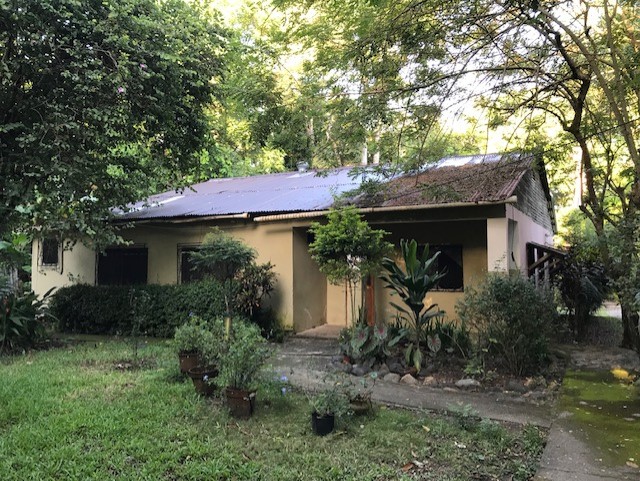
UCNH has a guest house for visiting professors and other people working with the university. I lived in the house for 5 months and saw many groups come and go with expectations that didn’t match the reality of the accommodations. It’s a great place to stay and your visit will be more enjoyable if you know what to expect. This is about the ranch house near the provost’s and president’s houses.

The house has 2 guest bedrooms with 2-3 single beds per room, 1 shared bathroom with indoor plumbing & flush toilet, kitchen with propane stove and refrigerator/freezer, dining room, and living room. Electricity is provided by a campus generator that runs approximately 7a – 11p most days. Rooms have ceiling fans (which won’t run once the generators turn off for the night). If you need electricity for a CPAP or other necessity, make sure your host knows before your visit to allow time for other arrangements. No internet – ask your host to provide a temporary hotspot.

The campus generator runs the water pump for the entire campus. No generator means no water, so prepare accordingly – take showers when generators are on. Keep bathroom buckets full of water, always! It takes not having water only once to remind you to keep them full. There is usually no hot water in the shower.

Don’t use the tap water for drinking or brushing your teeth. Drinking water comes from a biosand filter that is filled from the taps. It is safe – and avoids using individual plastic water bottles that just add to Haiti’s trash problem. Use the provided water filtration supplies, keep them clean, and make sure the blue jugs are kept full. Running low with no electricity to fill the filter is a quick lesson about being vigilant to keep the jugs full. Don’t use this precious filtered water for anything but drinking. Dishes are cleaned with water straight from the tap, followed by a rinse in bleach water.

The kitchen stove is propane, which is supplied in tanks brought from a larger town. Conserve fuel and don’t use it to heat bathing water. We need to cook food more than we need to have hot water for bathing. If your hosts arrange it, cooks will provide your meals. You can also buy snacks at the snack shop or off the street outside the university gate.

Towels and sheets are provided, and you should be able to find a mosquito net to hang over your bed, bring your own to be certain (leave it behind to make room for souvenirs). Toilet paper is provided sparsely – remind the house manager (not me!) often and early! Bring everything else you will need: toiletries, snacks, sun screen, bug spray, reusable water bottle, coffee if you want it before the cooks arrive in the morning.

The house has a beautiful yard and a front porch to enjoy the flowers and birds. See my other posts for things to see and do on campus and in the community.
 

Friday, May 3, 2019

Village of Labadie Haiti


Approaching Labadie Village
A nice surprise near (1 hr walk) from Cormier Plage is the Haitian village of Labadie. Moto or walk up the curvy paved road from the hotel (away from Cap) and you’ll reach the top of the hill that overlooks the private cruiseship Labadee Resort. The guard let me in to look at birds and take pictures. Then walk downhill and you’ll follow a high fence on the right to keep guests in the resort, and a nice wooded area on the left where you can do some birding. Keep walking to the water taxis, little boats that will take you to the actual village of Labadie. I think it cost around 100gd to hire one privately to take the 2 of us to the village. On the way back we waited for the boat to fill with other travelers and it was much cheaper. There were some larger motor boats too – perhaps they can be rented to go to some nearby islands.


Water taxis to go to Labadie Village
Labadie is a small quiet fishing village tucked into the forested hillside. I walked around with a friend to look at birds, but we didn’t eat or linger long. It would be a nice place to spend a morning or afternoon. If you are comfortable eating Haitian street food you could eat and drink there and hang out by the water. I didn’t see any other foreigners and kids were eager to say hi. Some people have kayaks so perhaps you could rent one. There seemed to be 2 hotels along the hillside between the village and mainland taxi stop. Here is another blogger's post about Labadee/ie.
A small cave!

The mainland taxi station.

Water project in Labadie Village funded by the Royal Caribbean Cruiseships


Hotel Cormier Plage Cap Haitien Haiti

My favorite place to stay in Cap Haitien is Cormier Plage, whose beautiful grounds have a variety of birds, plants, and reptiles, and sit along a clean swimmable beach. Bring snorkel gear! There is a small reef where you can see sea urchins and colorful fish, and next door is a coral restoration group Amiga Island that also offers snorkeling trips at a nearby island. The paved road to the hotel follows the north coast out of Cap – watch for signs for forts.

Someone's anchor
The hotel room had a ceiling fan and AC and patio. I didn’t notice hot water (I forgot to check since I don’t have it at home). The room electricity is off during the day which I think is great for conservation. You can charge electronics at the restaurant/bar right along the beach where you should be anyway. The room price included a breakfast of coffee, juices, bread, and fruit, as well as a selection of eggs, oatmeal, and other food from a menu. Lunch and dinner ranges from pricey to cheaper sandwiches, and even omelettes (which took a while to make!). Try the rhum banana for dessert! Avoid the conch (lambi) which is over harvested and avoid lobster during the reproductive season (March - June), or there won’t be any more next year! 

A 40 minute walk up hill on the main road you’ll come to an overlook of the private Labadee cruise ship port – complete with roller coaster and zipline for resort guests. Turn left and walk downhill to get to water taxis that will take you to the actual village of Labadie (see this post for more).


Gate from main road


View from balcony

Breakfast before I knew we could also choose from a menu!
Just one page of the large lunch and dinner menu.